Kunzite
Other Silicates & Gemstones
Kunzite is the pale pink to violet-purple gem variety of spodumene, a lithium aluminium silicate. Traces of manganese produce its color, and strong pleochroism can make a cut stone appear differently colored when viewed from different directions.
Identity
- Material or variety
- Spodumene
- Scientific or material identity
- Spodumene (kunzite variety)
- Classification
- Natural mineral or mineral variety
- Aliases or trade names
- Pink spodumene
- Composition or formula
- LiAlSi₂O₆
- Crystal system or structure
- Monoclinic
- Geological or manufacturing origin
- Can form in more than one geological environment, or combines several materials.
- Mohs hardness
- 6 to 7
Origins
Afghanistan · Brazil · Pakistan · USA
Appearance & optical properties
pale lilac-pink spodumene with vertical striations.
History & discovery
Pink spodumene crystals found in San Diego County, California, were identified by mineralogist George Frederick Kunz in 1902. Chemistry professor Charles Baskerville named the variety kunzite in Kunz's honor the following year.
Uses & care
- Common uses
- Transparent crystals are faceted for jewelry and collected as mineral specimens; large, clean crystals can yield substantial finished gems.
- Handling and cleaning
- Clean with warm soapy water. Avoid steam, ultrasound, high heat, sudden temperature changes, strong light, and hard knocks; its color can fade and its two perfect cleavage directions make it easy to split.
Jewellery
5 pieces of Kunzite jewellery. Learners earn each one in DigMyGem by learning words; until then it shows as a silhouette.

Evening Stone Tiara
Tiara
A tiara of large pale-pink kunzite stones, the gem called the evening stone because sunlight slowly fades its colour. It is kept in a dark case and worn only after dusk.
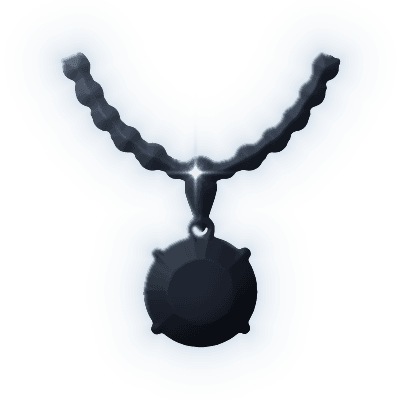
Rose Kunzite Pendant
Pendant
A cushion-cut kunzite the colour of rose quartz hangs as a pendant on a strand of baroque pearls. The gem was first named in 1903 for the gemologist George Kunz of Tiffany and Company.
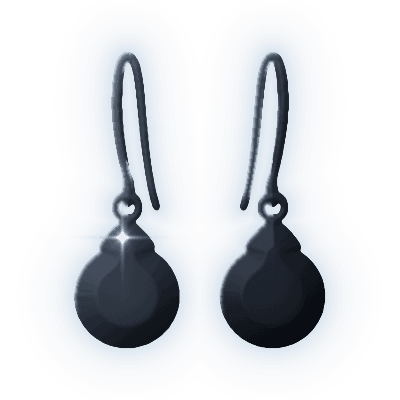
Kunzite Drop Earrings
Earrings
A pair of pear-shaped kunzite drops that glow the deep pink the cutter looks for down the length of the crystal. They are light enough to swing and catch the last of the evening light.

Pink Dawn Ring
Ring
An imagined cocktail ring of kunzite, a pale pink gem named after the gemologist George Kunz. Its colour can fade in strong sunlight, so it is called an evening stone.
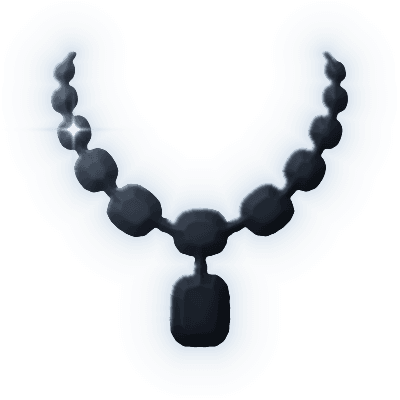
Evening Blush Necklace
Necklace
An imagined platinum necklace of kunzites, the pale pink stone best worn in the evening, with one large stone at the centre.